Types of steak, explained
There are only about 15 kinds of steak you will actually meet on a menu, and they fall into four groups: premium steakhouse cuts, big shareable cuts, everyday cuts and the butcher's cuts that punch well above their price. Search for one, or browse the groups below.
Want to know where each one sits on the animal? See the beef cut chart.
Premium steakhouse cuts
The three names almost every steakhouse menu opens with. Tender, well marbled and the most expensive part of the animal.
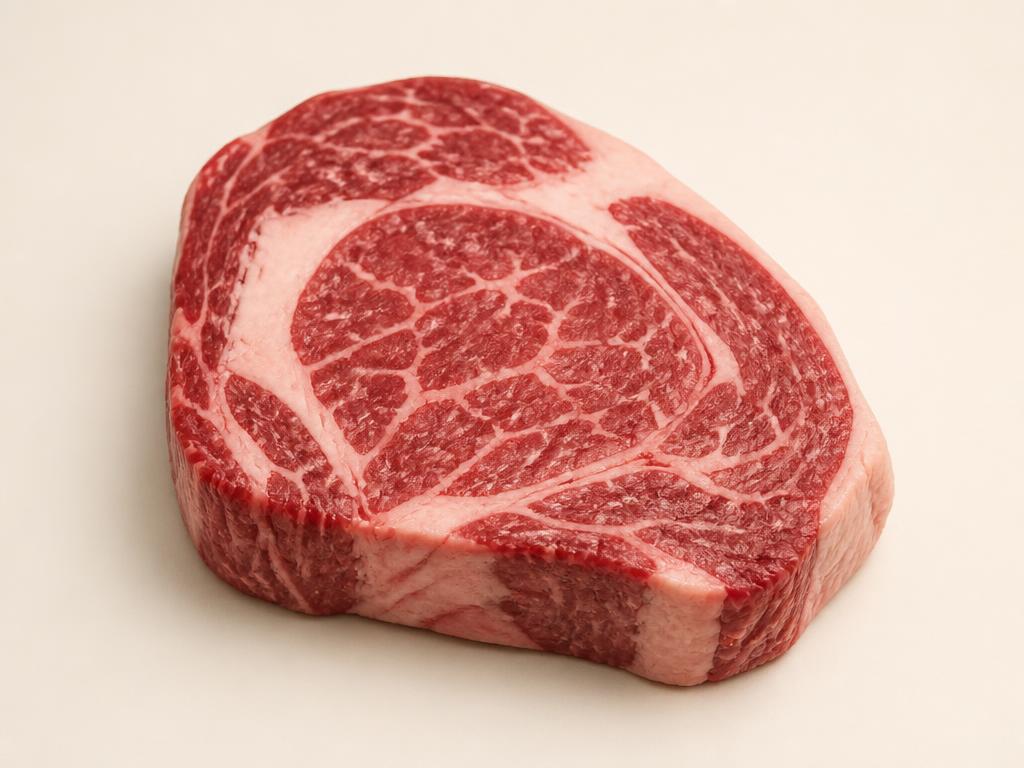
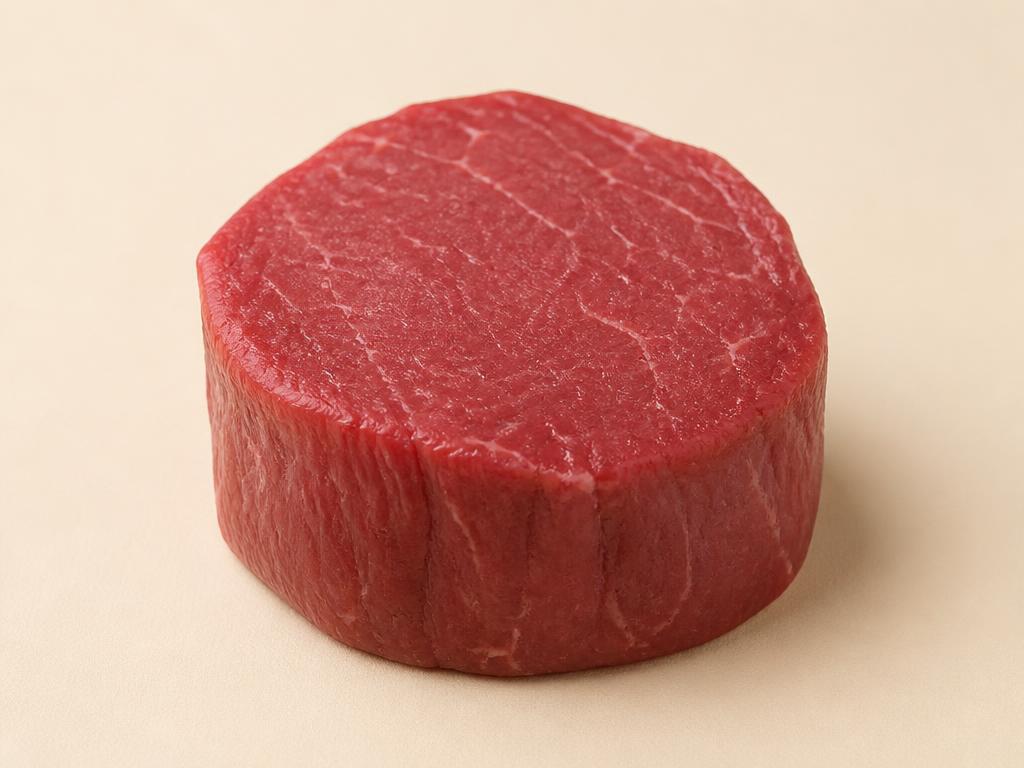
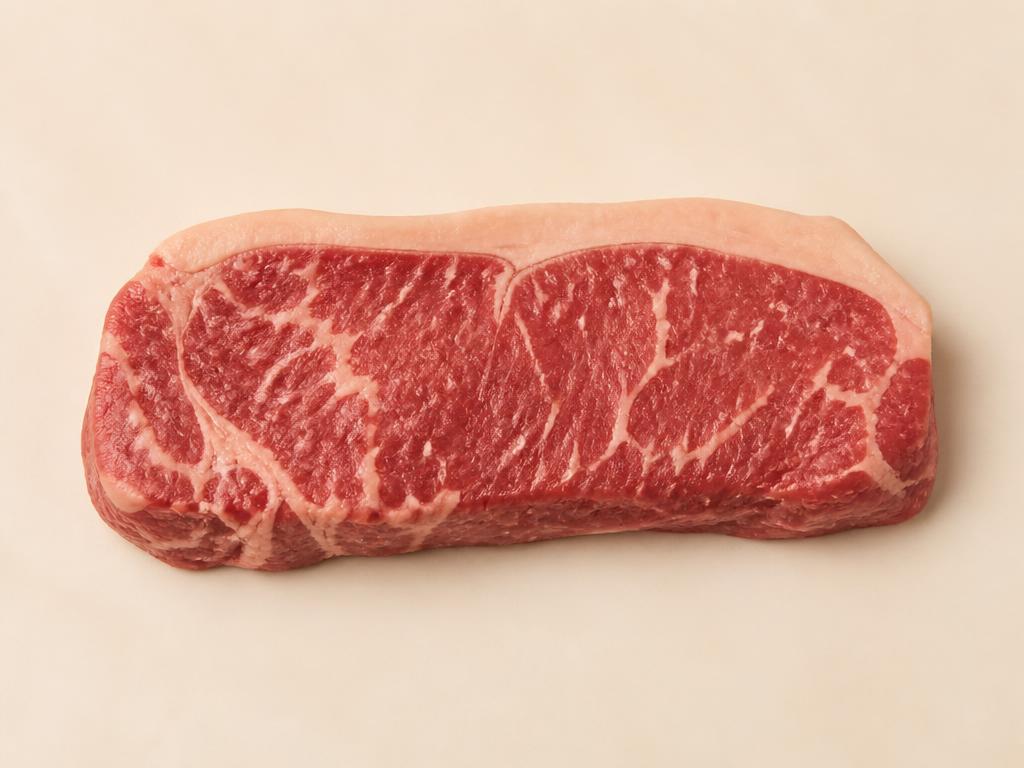
Large and shareable cuts
Big bone-in cuts built for the table. You are usually paying for two muscles, or for the drama of the bone.
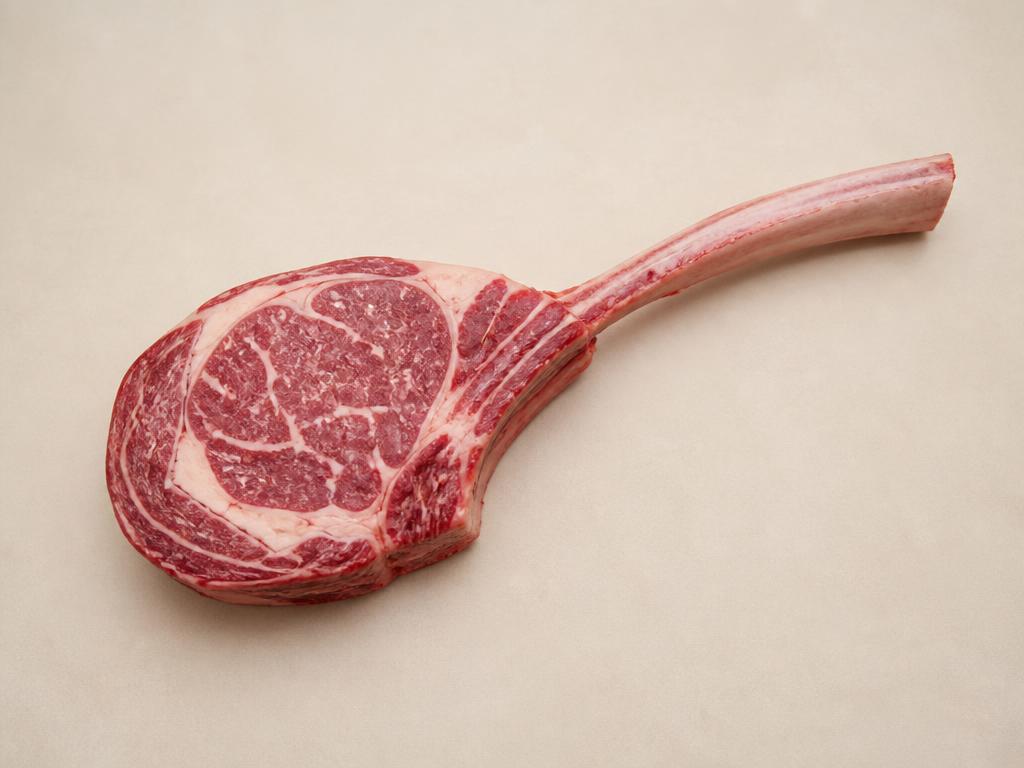
Tomahawk
A ribeye with a long bone left on for show.
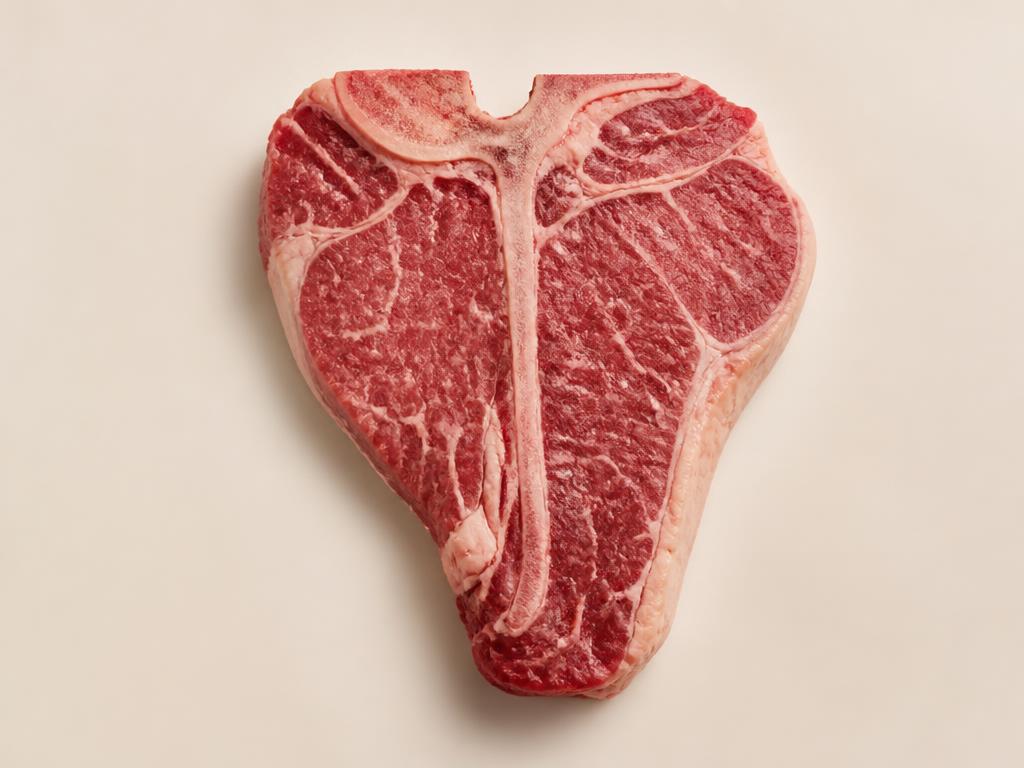
T-Bone
Strip and filet in one, split by a T-shaped bone.
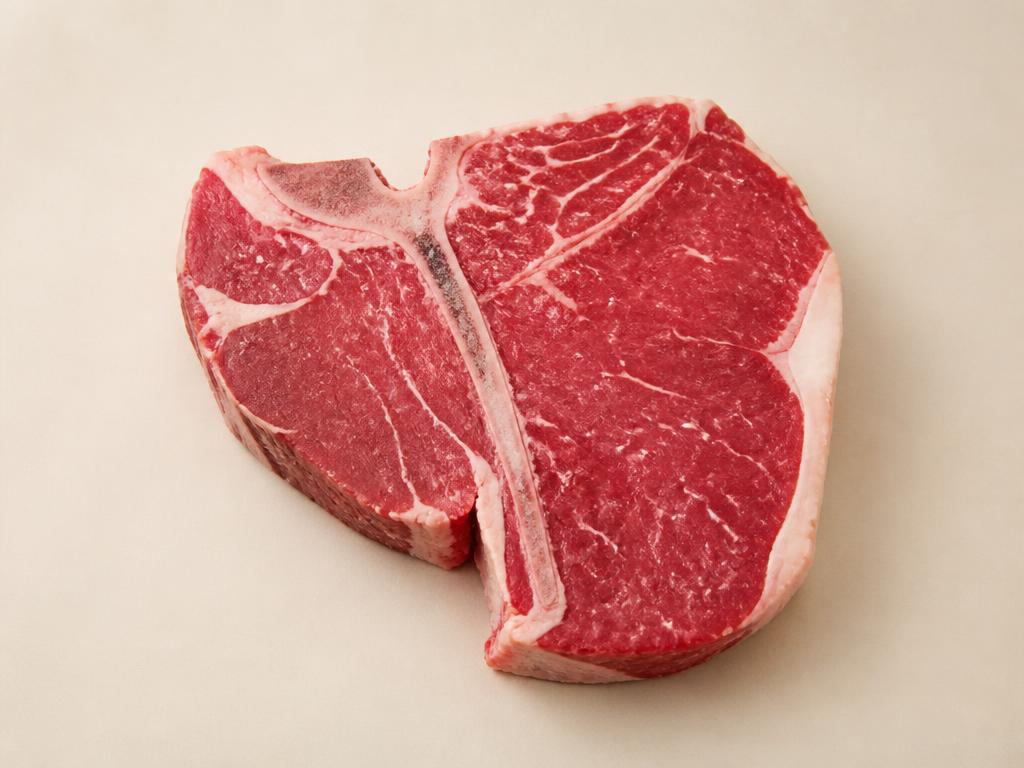
Porterhouse
A bigger T-bone with a much larger filet side.
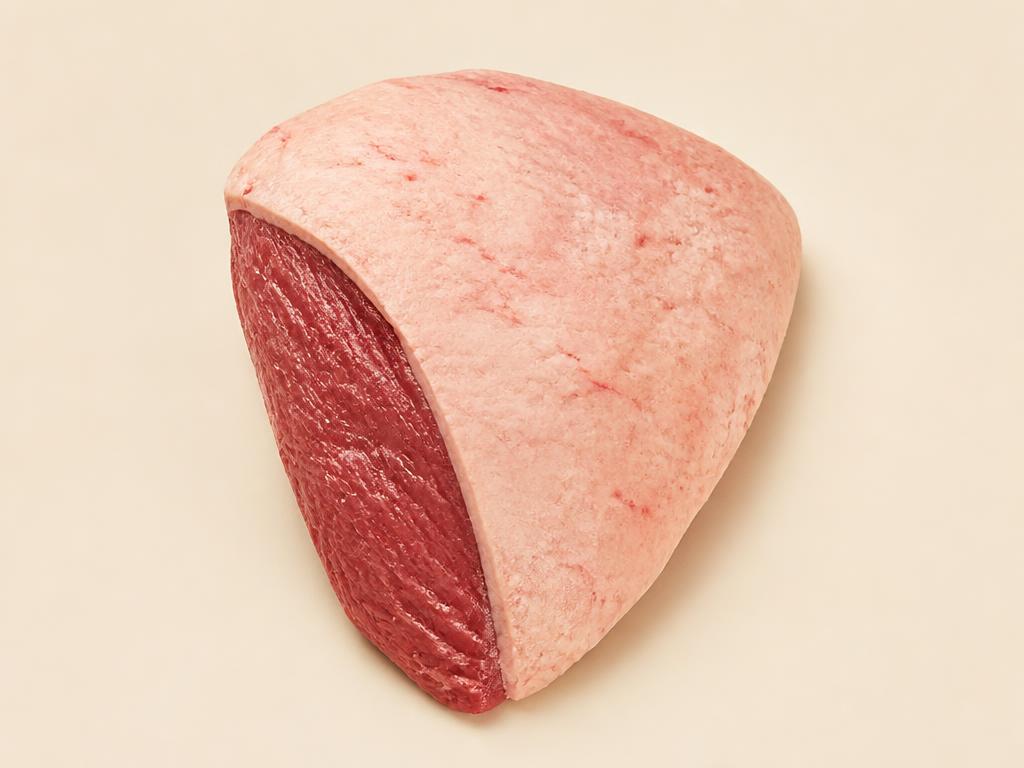
Picanha
Beefy sirloin cap with a rich, crisp fat cap.
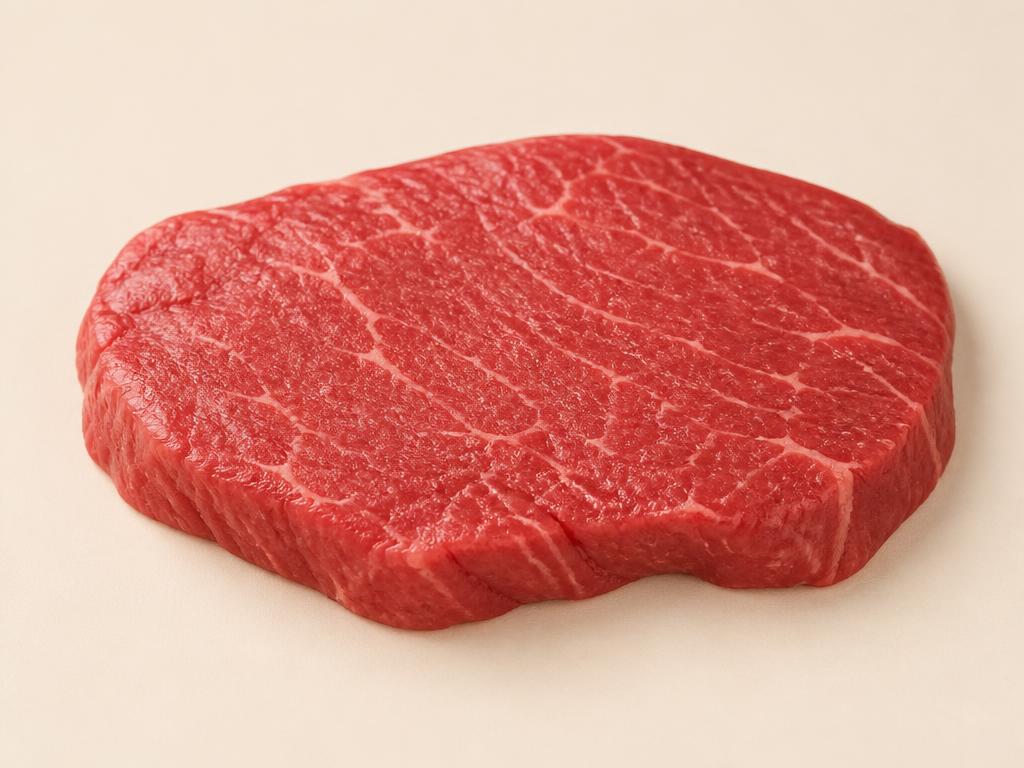
Everyday cuts
Honest, familiar steaks that turn up on pub menus and in the supermarket. Less fat, less money, still proper beef.
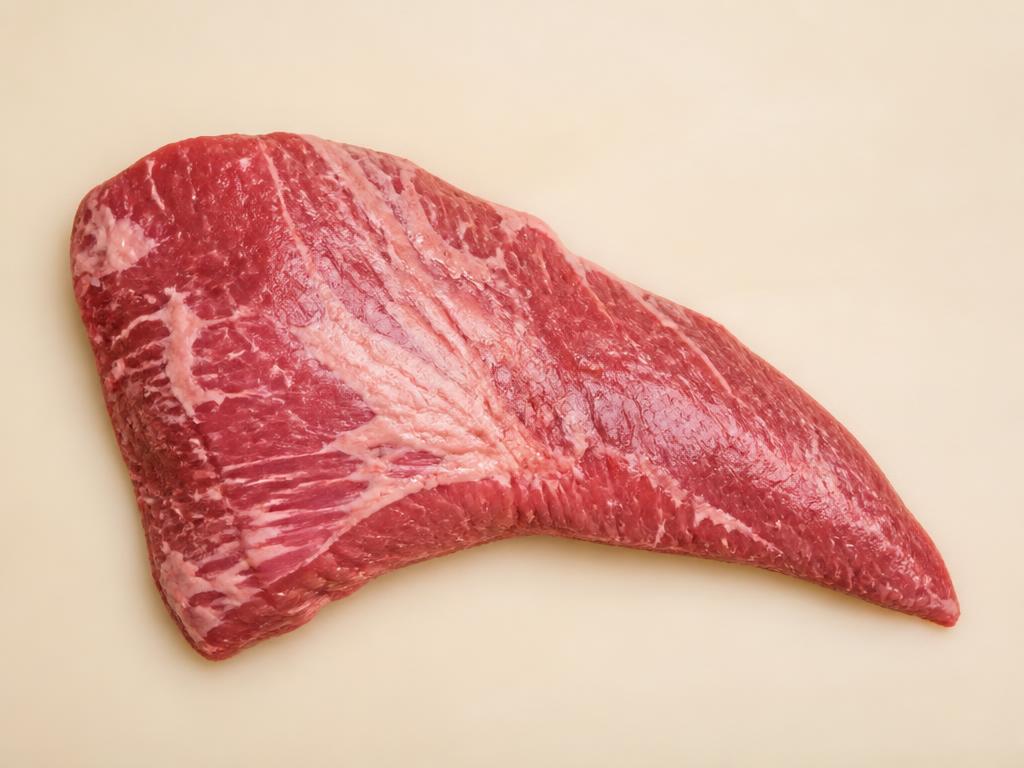
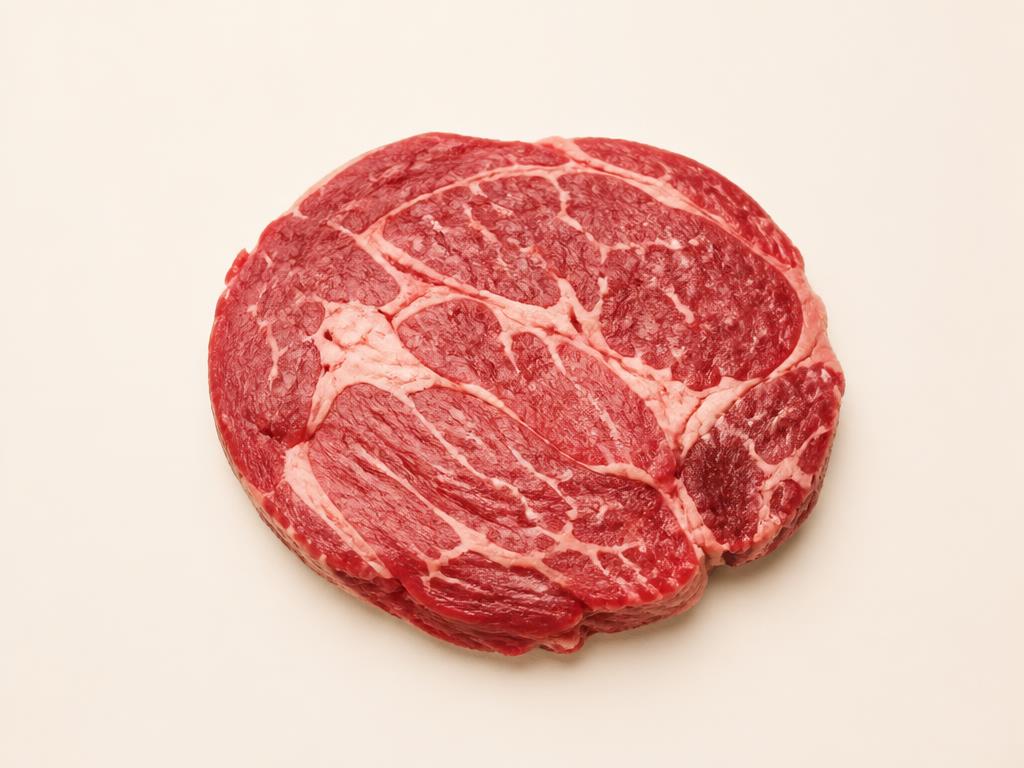
Butcher's cuts and value picks
Cuts butchers used to take home: loose-textured, strongly flavoured and far cheaper than their taste suggests.
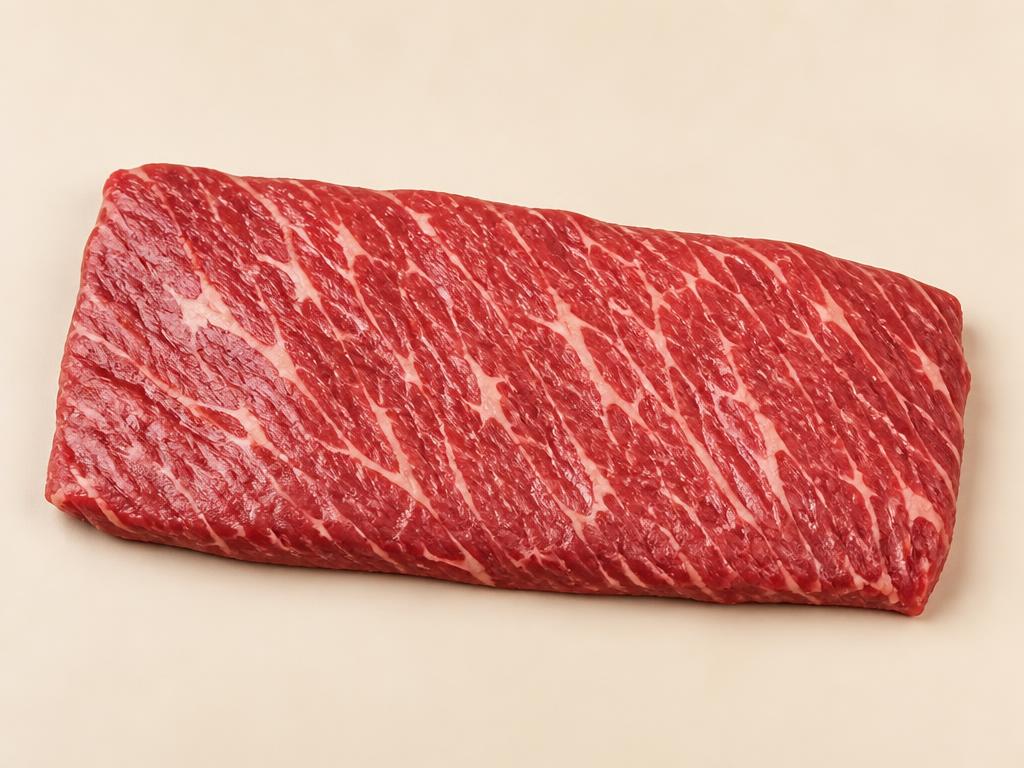
Flat Iron
Surprisingly tender and great value.
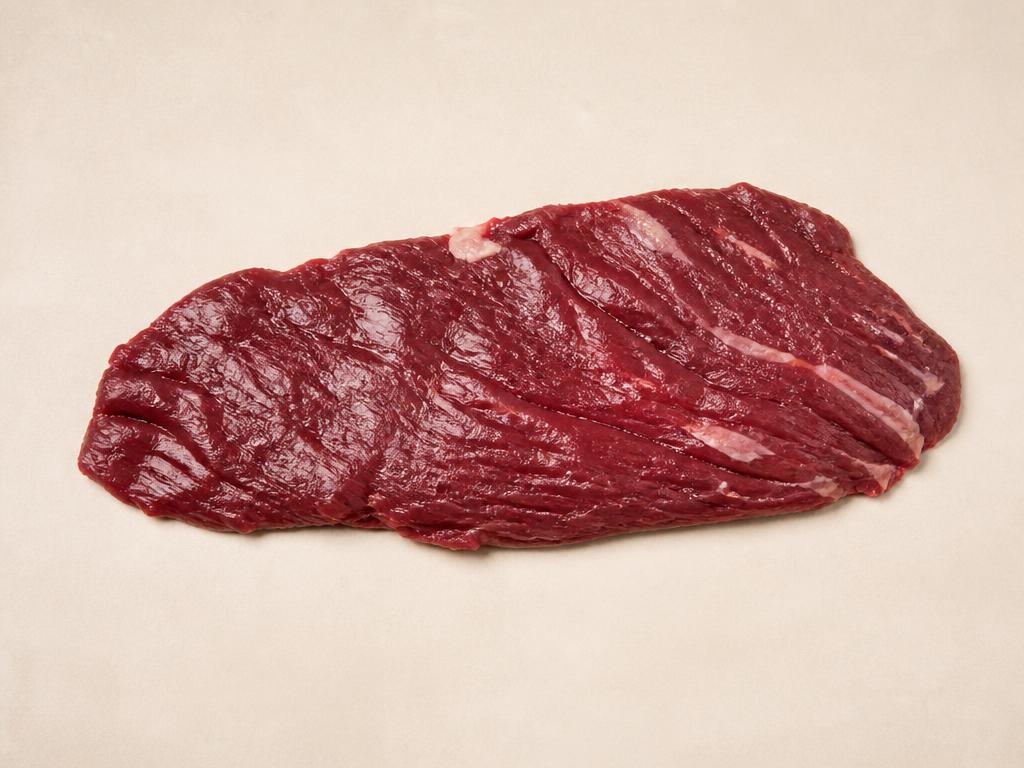
Hanger Steak
Deeply savory with a soft, loose texture.
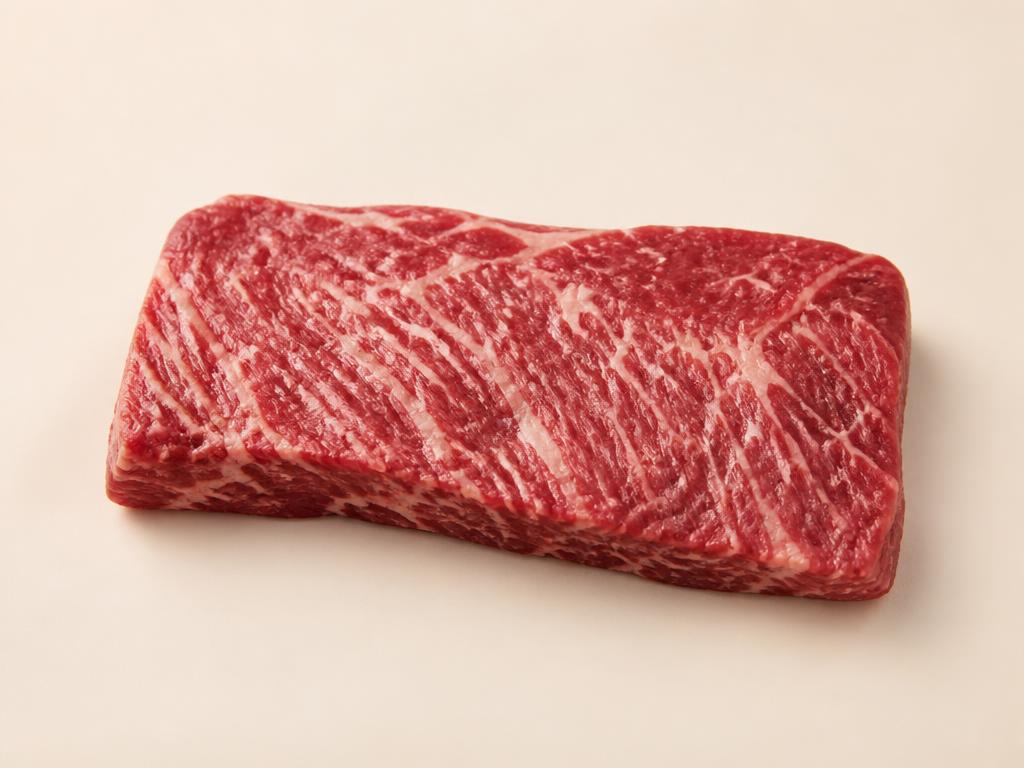
Denver Steak
Well-marbled and tender for a shoulder cut.
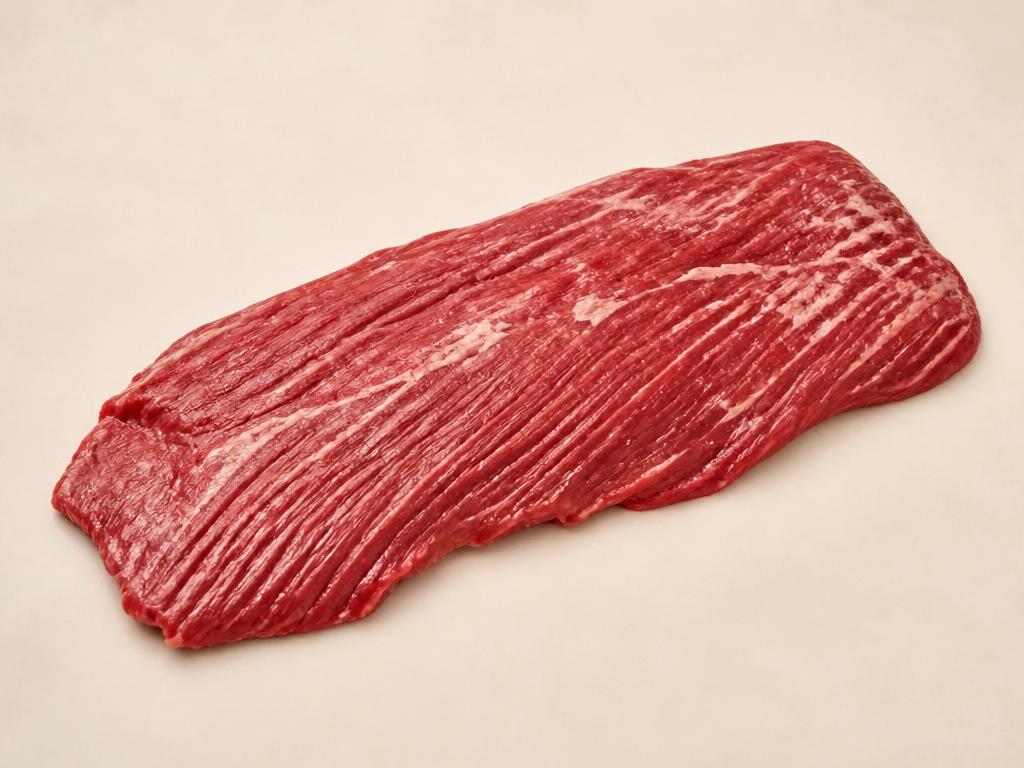
Flank Steak
Lean and intensely beefy, always sliced thin.
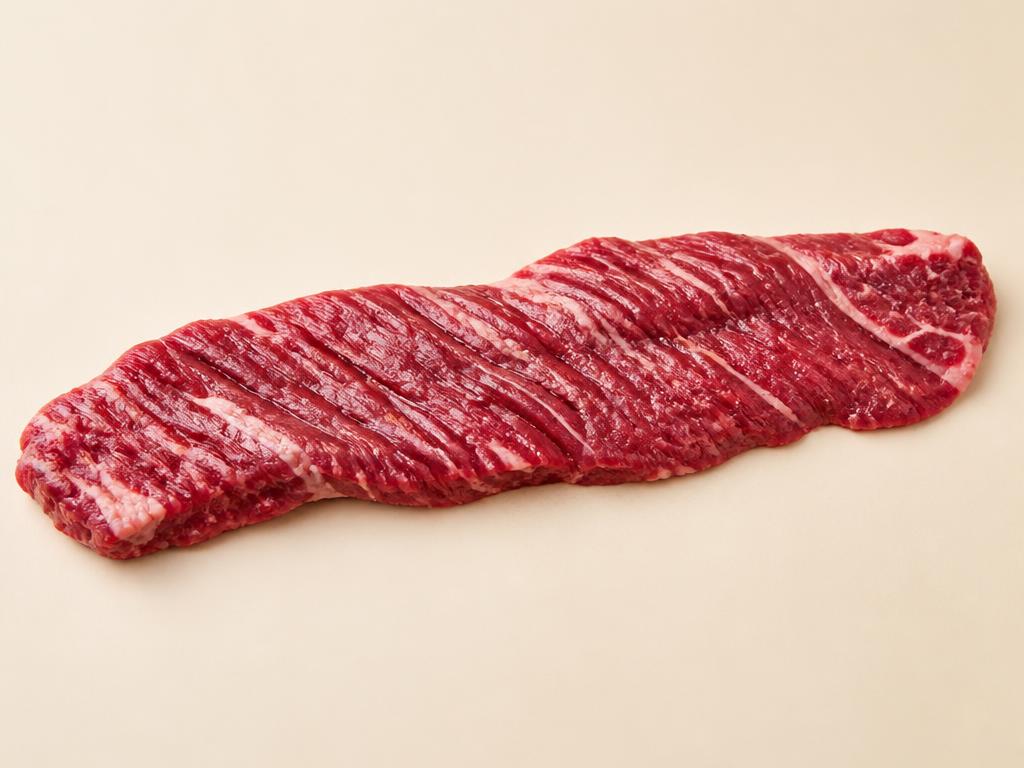
Skirt Steak
The most intensely beefy cut, best cooked fast.
Still deciding?
Compare any two cuts side by side, or answer three quick questions and we'll pick one for you.